Petra Schmitz · 25 September 2026
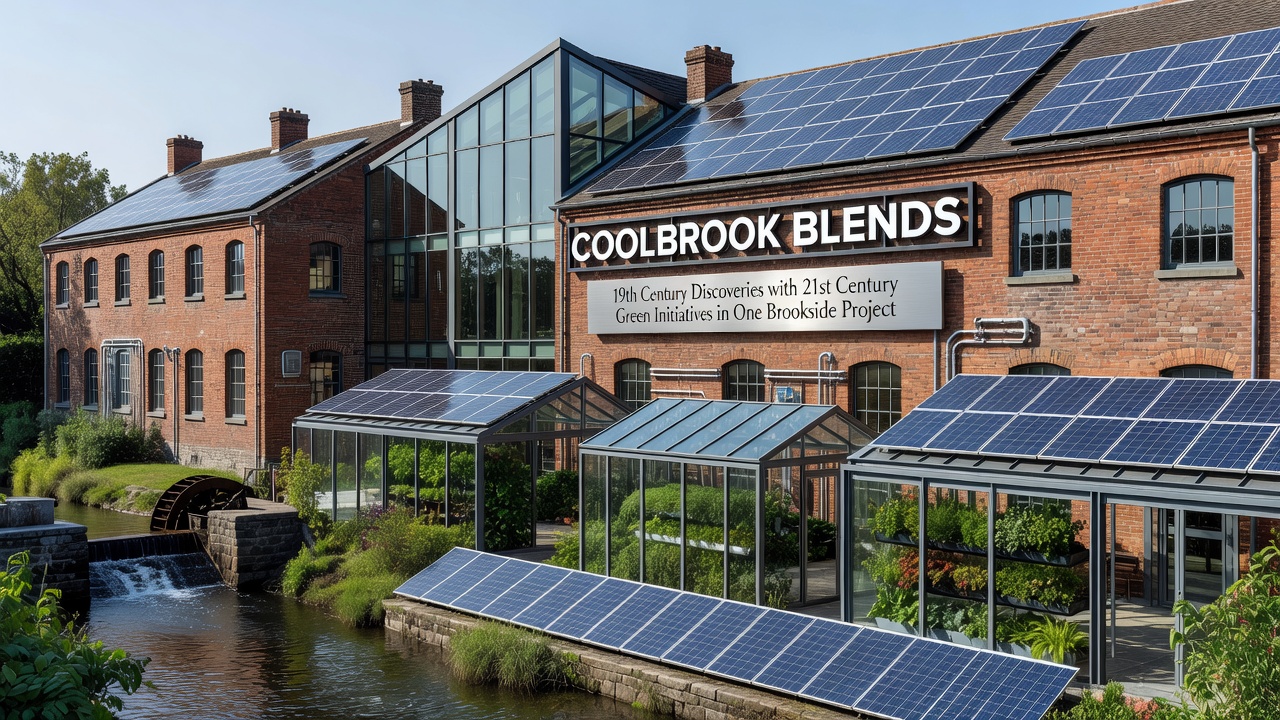
Coolbrook Blends 19th Century Discoveries with 21st Century Green Initiatives in One Brookside Project
Developers in Coolbrook have launched the Brookside project, which incorporates archaeological findings from the 1800s alongside modern sustainability measures, and work on the site continues through phases scheduled for completion in September 2026. The initiative draws on historical records of local water management systems discovered during earlier surveys, while planners apply current standards for energy efficiency and habitat restoration across the development footprint.
Historical Context Shapes Site Planning
Survey teams uncovered 19th century engineering notes that described gravity-fed irrigation channels and early drainage techniques used in the Brookside area, and these documents guided adjustments to current stormwater infrastructure so that new systems align with original flow patterns without extensive excavation. Research from regional archives shows that Victorian-era landowners mapped subsurface water sources that still influence soil conditions today, which allows project engineers to position foundations and green corridors around those established routes.
Preservation efforts focus on retaining stone boundary walls and remnant orchard layouts documented in period surveys, while construction crews integrate those elements into pathways and communal gardens that also support pollinator habitats. Data from similar UK heritage sites indicates that such combined approaches reduce material transport emissions by reusing on-site stone and timber where assessments confirm structural integrity.
Green Standards Applied to Infrastructure
Project specifications require solar arrays on rooftops, rainwater harvesting systems, and native planting schemes that meet benchmarks set by the European Environment Agency for urban biodiversity. According to agency reports, developments incorporating these features achieve measurable reductions in surface runoff and energy demand compared with conventional builds in comparable climates.
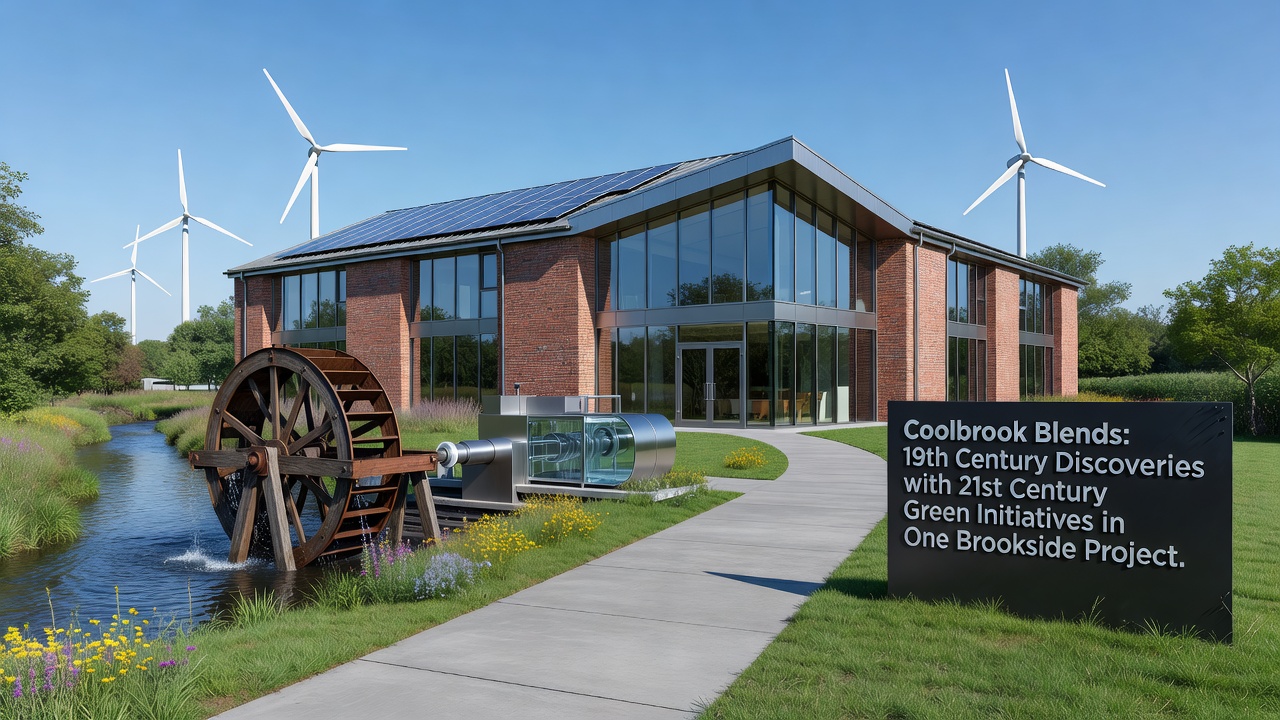
Mechanical systems draw on low-carbon heating technologies paired with insulation standards updated in 2024 building codes, and monitoring equipment tracks performance metrics that feed into quarterly reports shared with local planning authorities. Construction timelines align these installations with the restoration of 19th century water features, creating shared infrastructure that serves both historical interpretation and contemporary water conservation needs.
Community and Regulatory Integration
Local records offices supplied maps from the 1870s that identified former mill races now incorporated into linear parks, and design teams adjusted greenway alignments to follow those historic alignments while adding cycle paths and seating areas. Figures from the Department for Environment, Food and Rural Affairs reveal that projects blending heritage interpretation with habitat creation attract higher resident participation in stewardship programs over multi-year periods.
Planning submissions reference both the original land-use patterns and current net-zero targets, which streamlines approvals when evidence demonstrates dual compliance. Coordination meetings between heritage consultants and environmental assessors occur at key milestones, ensuring that discoveries from the 19th century continue to inform adjustments through the final build-out phase ending in September 2026.
Conclusion
The Brookside project demonstrates how documented 19th century features combine with 21st century sustainability requirements to produce a single development framework, and ongoing monitoring will track outcomes across energy, water, and biodiversity indicators once construction reaches completion.