Tina Schmitt · 11 September 2026
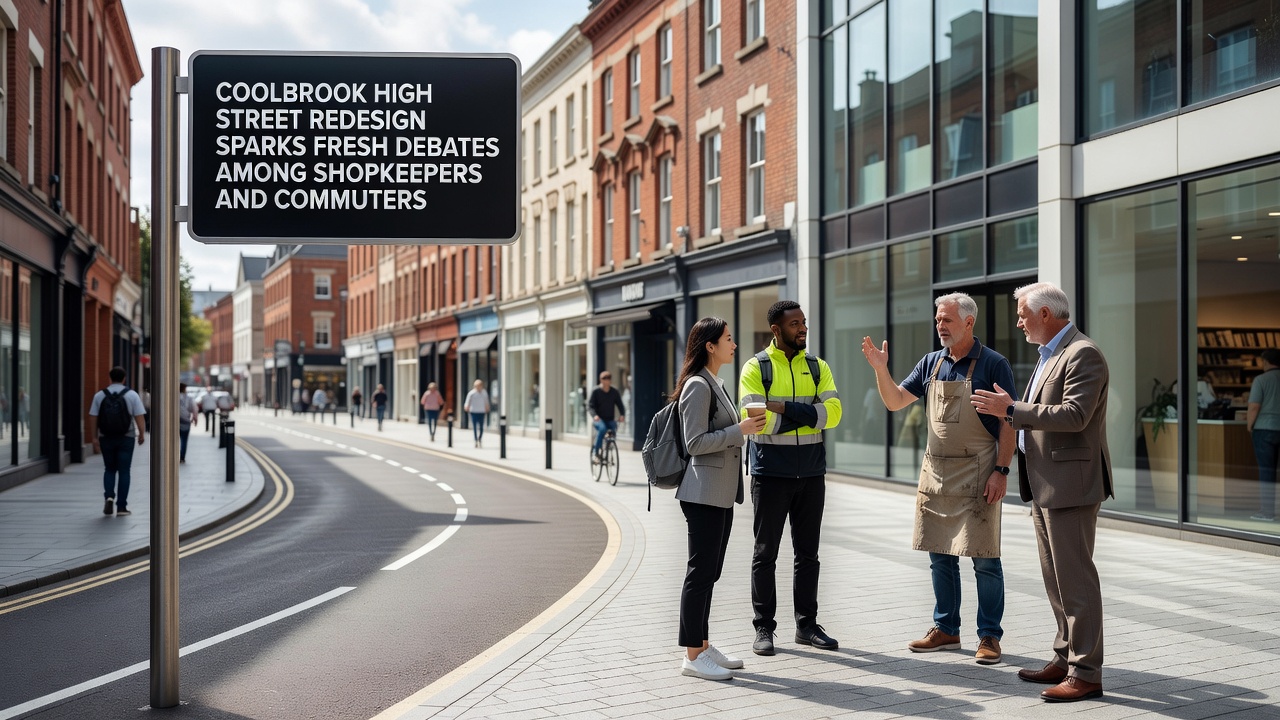
Coolbrook High Street Redesign Sparks Fresh Debates Among Shopkeepers and Commuters
The Coolbrook High Street redesign has entered a new phase of discussion as local authorities move forward with plans that alter traffic patterns, pedestrian zones, and commercial access points along the main thoroughfare, and these changes have drawn attention from both business owners and daily travelers who rely on the route for work and shopping. Council documents indicate that the project aims to integrate features such as extended footpaths, dedicated cycling infrastructure, and reduced vehicle lanes to accommodate projected increases in foot traffic by September 2026, when construction phases are scheduled to begin in earnest.
Shopkeepers along the street have raised specific points about delivery logistics and customer parking availability, noting that narrower carriageways could limit loading zones during peak hours, while data from the local transport assessment shows current vehicle volumes average 1,200 cars per hour during morning rush periods. Those who operate retail outlets have highlighted examples from nearby towns where similar adjustments led to temporary drops in sales before adjustments were made, and they point to figures from the Coolbrook Business Association that track a 15 percent reliance on drive-by customers for certain stores.
Background on the Project Planning
Planning for the redesign began after a series of public consultations conducted throughout 2024 and 2025, where input from residents, business groups, and transport analysts shaped the final proposals that now include raised crossings and green buffers along the sidewalks. The council's engineering reports cite studies from the Department for Transport that examined comparable schemes in other UK locations and found improvements in air quality metrics alongside shifts in commuter behavior toward active travel options. And these findings have informed the timeline that targets completion milestones around September 2026, allowing for phased implementation that minimizes full closures.
Commuters who use the high street as a primary corridor have expressed interest in the potential for smoother flow once dedicated spaces separate modes of transport, and surveys distributed by the transport team recorded that 62 percent of respondents favored expanded cycle facilities based on patterns observed in comparable urban settings. One case involved a group of office workers who tracked their daily routes and noted reduced delays at key intersections after temporary trial measures were tested earlier this year.
Perspectives from Local Businesses
Business owners have organized meetings to review detailed schematics, and they emphasize the need for maintained access points that support goods vehicles without requiring detours through residential side streets. Figures released by the chamber of commerce indicate that high street enterprises contribute approximately £4.2 million annually to the local economy, with a portion tied directly to convenient vehicle access for suppliers and patrons. Experts in urban logistics have observed that adjustments to curb space can require adaptations in scheduling, and several shopkeepers have shared accounts of coordinating with delivery firms to test alternative timings ahead of the September 2026 rollout.
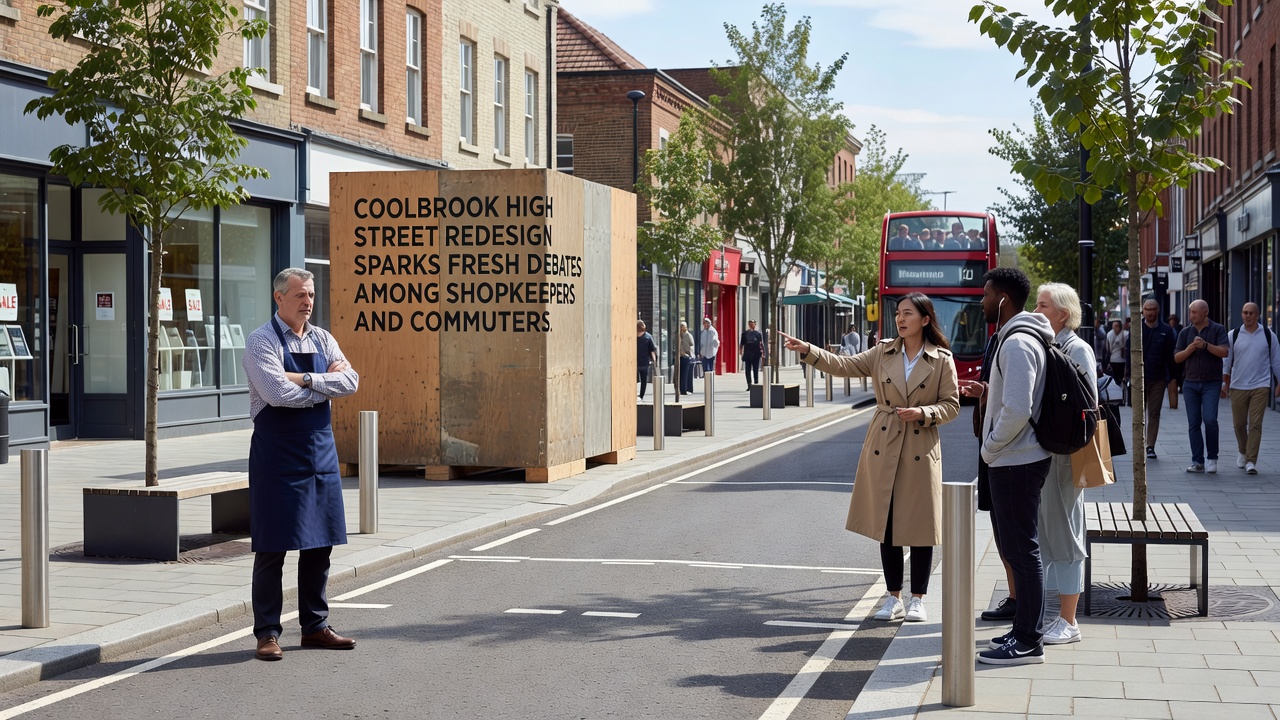
Retailers dealing in perishable goods have noted particular sensitivities around time-sensitive deliveries, while those in the service sector focus on customer convenience that could be affected by parking reallocations. The redesign documentation includes provisions for loading bays spaced at regular intervals, yet business representatives continue to request refinements based on peak operational data collected over recent months.
Commuter Views and Travel Pattern Data
Daily commuters have pointed to benefits in safety and reduced congestion that could arise from the separation of vehicle, cycle, and pedestrian streams, and transport modeling software used by the council projects a 20 percent decrease in peak-hour delays once the layout stabilizes. Researchers from regional planning institutes have analyzed travel surveys that show increasing numbers of residents opting for shorter trips on foot or by bicycle when infrastructure supports those choices, and this trend aligns with broader patterns documented across European urban mobility reports.
Those who drive through the area for longer commutes have raised questions about alternative routing during construction, and the authority has published maps outlining temporary diversions that connect to arterial roads outside the town center. Data collected from automatic counters along the high street reveals consistent volumes that support the case for capacity rebalancing, while feedback sessions have allowed participants to review simulations of post-redesign conditions.
Implementation Timeline and Supporting Evidence
Preparatory works are set to commence in early 2026, leading into the main construction window that opens in September 2026, and this schedule incorporates buffer periods for weather and supply considerations based on precedents from similar projects. A linked source from Australian transport planning resources provides comparative data on street reallocations that achieved balanced outcomes for commerce and mobility. The Coolbrook initiative also draws on findings from an academic review conducted by university transport departments, which examined over 50 case studies and identified key factors for successful integration of mixed-use streets.
Stakeholders have access to ongoing updates through the council portal, where detailed drawings and impact assessments remain available for review, and this transparency has facilitated additional rounds of input ahead of final approvals. Observers note that engagement levels have remained high throughout the process, with attendance at recent forums reflecting sustained interest from both groups.
Conclusion
The Coolbrook High Street redesign continues to generate structured dialogue between shopkeepers focused on operational continuity and commuters interested in efficiency gains, with the September 2026 start date serving as a focal point for preparation across both communities. Documentation from the planning stages shows how data on traffic volumes, business contributions, and travel preferences have shaped the evolving proposals, while external references to comparable initiatives offer additional context for expected adjustments. As the project advances, monitoring mechanisms outlined in the council plans will track key indicators to inform any refinements required during rollout.